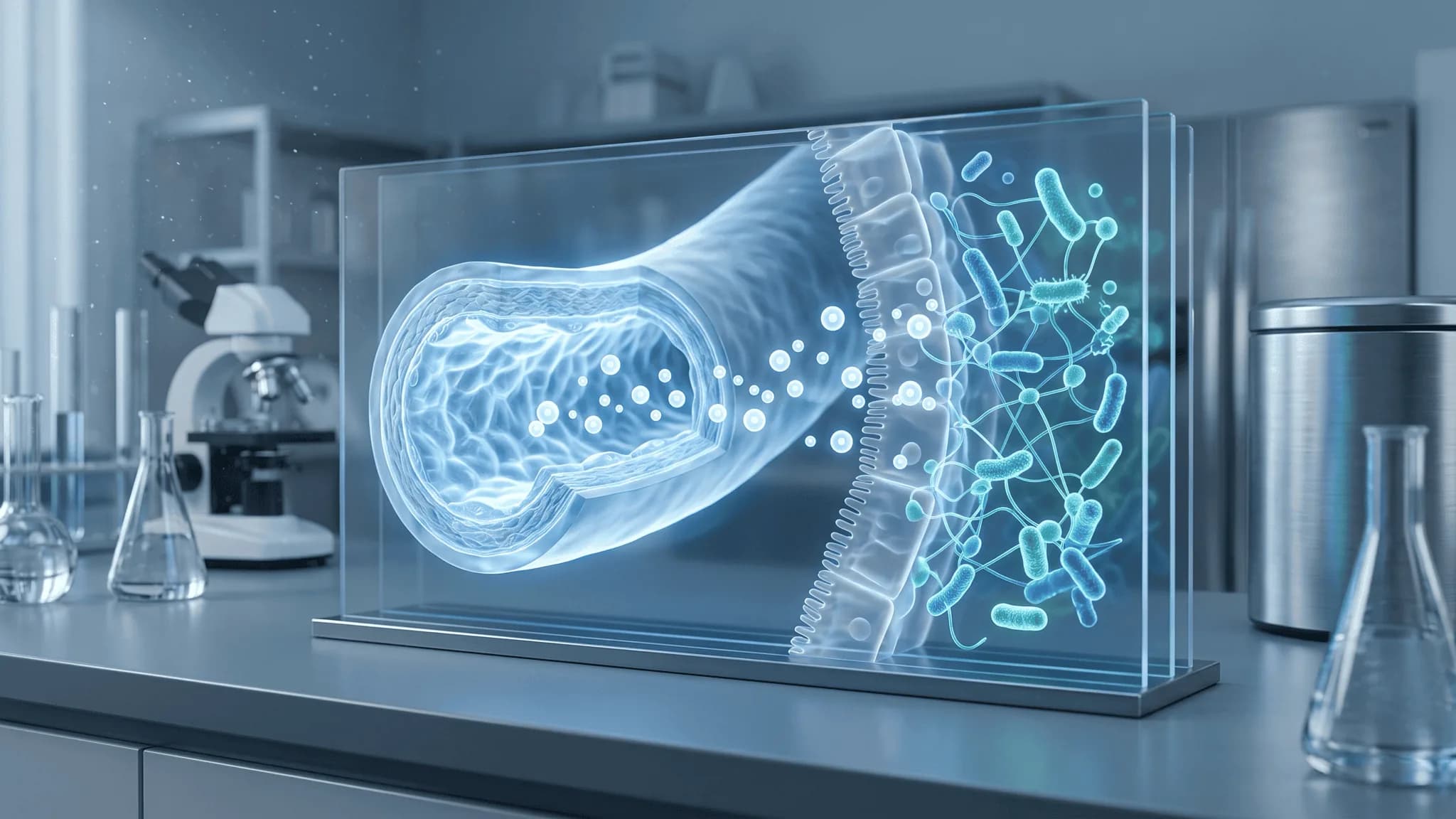

The gut microbiome and erectile dysfunction are not topics most men would expect to find in the same sentence, yet a growing body of research suggests the trillions of microorganisms living in the intestinal tract may influence the same blood vessels that govern erectile function. Erections depend on healthy endothelium, adequate nitric oxide signaling, and unobstructed arterial inflow. The gut, through its metabolic byproducts and its effect on systemic inflammation, appears to shape each of these processes. This emerging field does not claim that bacteria cause erectile dysfunction outright, but it adds a compelling layer to the vascular story.
Erectile dysfunction (ED) is multifactorial. Psychological stress, hormonal disorders, medication side effects, pelvic surgery, neurologic disease, diabetes, and cardiovascular disease all contribute. What recent microbiome research offers is a possible upstream modifier: the composition of gut bacteria may help determine how inflamed, how metabolically stressed, and how vascularly healthy a man's body is overall. Understanding that link begins with how the gut talks to blood vessels.
How the Gut Communicates With Blood Vessels
The gut microbiome is a metabolic organ in its own right. The bacteria that ferment dietary fiber, process bile acids, and metabolize dietary nutrients produce a steady stream of compounds that enter circulation. Some of these metabolites support vascular health; others appear to undermine it. Because penile arteries are narrow and exquisitely sensitive to endothelial signaling, even modest shifts in this chemical environment may register as changes in erectile reliability before they show up as overt cardiovascular symptoms.
Two pathways dominate the current discussion. The first is the production of short-chain fatty acids such as butyrate, propionate, and acetate, generated when beneficial bacteria ferment fiber. These compounds have anti-inflammatory and immunomodulatory effects and may help preserve endothelial function. The second is the production of trimethylamine N-oxide, or TMAO, a metabolite derived from dietary choline and carnitine via gut bacteria and subsequent liver processing. Elevated TMAO has been linked to atherosclerosis and endothelial injury, making it a candidate mechanism in vasculogenic ED.
When the balance between these protective and harmful outputs tilts unfavorably, a state often called dysbiosis, the cumulative effect on the vascular system may be meaningful. This is the conceptual bridge between intestinal bacteria and erectile tissue.
What Clinical Studies Have Found
The most rigorous evidence to date comes from Mendelian randomization, a method that uses genetic variants as natural proxies to probe causal relationships and reduce confounding. A two-sample Mendelian randomization study published in Frontiers in Endocrinology in 2023 used gut microbiota data from the MiBioGen consortium and ED outcome data from genome-wide association studies. The authors reported that several specific bacterial taxa were associated with altered ED risk, suggesting the relationship may be more than coincidental.
A subsequent Mendelian randomization analysis published in the International Journal of Impotence Research in 2024 reinforced this direction, identifying particular genera, including a taxon within the Tyzzerella group, that were linked to increased ED risk. Because Mendelian randomization is less vulnerable to reverse causation than observational designs, these findings strengthen the argument that gut composition may genuinely influence erectile outcomes rather than simply reflecting them.
Observational work has added texture. A 2025 pilot study in Frontiers in Microbiology compared the gut microbiota of men with erectile dysfunction against healthy controls and reported measurable differences in microbial composition between the groups. While a pilot study cannot establish causation and involves limited numbers, it is consistent with the broader pattern that men with ED may carry a distinct microbial signature.
It is important to read these results carefully. Mendelian randomization establishes statistical causality under specific assumptions, not clinical proof in living patients, and pilot studies are hypothesis-generating. The honest summary is that clinical studies suggest a real and biologically plausible link, while large interventional trials are still needed.
TMAO, Inflammation, and the Endothelium
The mechanistic heart of this research is endothelial function. The endothelium, the single-cell lining of every blood vessel, regulates vascular tone, clotting, and nitric oxide production. In the penis, nitric oxide activates cyclic guanosine monophosphate signaling, allowing cavernosal smooth muscle to relax and erectile tissue to fill with blood. Anything that impairs the endothelium may blunt this cascade.
TMAO is the metabolite most often implicated. Research reviewed in 2025 describes how elevated TMAO promotes atherosclerosis by stimulating foam cell formation, enhancing platelet reactivity, and inducing endothelial dysfunction. High TMAO has also been associated with fewer and less functional endothelial progenitor cells and greater oxidative stress, both of which could plausibly contribute to vasculogenic erectile dysfunction. Since TMAO production depends heavily on gut bacterial composition and diet, it represents a tangible route from the gut to the blood vessel wall.
Inflammation runs alongside this. A dysbiotic gut with a weakened intestinal barrier may allow bacterial components such as lipopolysaccharide to enter circulation, driving low-grade systemic inflammation. Chronic inflammation can reduce endothelial nitric oxide synthase activity and lower nitric oxide bioavailability, the same downstream problem seen in diabetes, metabolic syndrome, and cardiovascular disease. The gut, in other words, may amplify the inflammatory and oxidative burden that already underlies much of vascular ED.
Where Diet and Metabolic Health Intersect
Gut bacteria do not act in isolation. Their output is shaped largely by what a man eats and by his overall metabolic state. Diets high in fiber, plants, and unsaturated fats tend to support short-chain fatty acid producers, while diets heavy in red meat and processed foods supply more of the precursors that gut bacteria convert into TMAO. This is one reason dietary patterns such as the Mediterranean diet have been studied for cardiovascular and erectile benefits.
The microbiome also interacts with metabolic syndrome, obesity, and insulin resistance, all established ED risk factors. Short-chain fatty acids influence the release of gut hormones like GLP-1 and peptide YY, which affect appetite and glucose handling. Dysbiosis may therefore worsen insulin resistance and weight gain, which in turn further impair endothelial function. The relationships are bidirectional and reinforcing, which makes the gut both a potential contributor to ED and a potential lever for improving the vascular environment.
None of this replaces standard evaluation. A man with new or worsening erectile dysfunction still warrants assessment of blood pressure, lipids, glucose, testosterone where indicated, medications, and cardiovascular risk. The microbiome adds context; it does not substitute for clinical workup. Some men experience meaningful improvement in erectile function simply by addressing diet, weight, and exercise, interventions that happen to reshape the gut as a side effect.
What This Means in Practice
For now, the practical takeaways are conservative and evidence-aligned. A fiber-rich, plant-forward diet supports beneficial bacteria and short-chain fatty acid production. Regular aerobic exercise, adequate sleep, and avoidance of smoking all favor both vascular and microbial health. Limiting excessive red and processed meat may reduce TMAO precursor load. These measures will not guarantee improved erections, but they align with the same vascular principles that govern cardiovascular prevention.
Probiotic and prebiotic interventions specifically for erectile dysfunction remain investigational. While the mechanistic rationale is reasonable, there is not yet robust trial evidence showing that a particular supplement reliably improves erectile outcomes in men. Anyone considering targeted gut interventions for sexual health should view them as adjuncts to, not replacements for, evidence-based medical care.
Most importantly, persistent erectile dysfunction deserves a medical conversation. Because ED can be an early signal of underlying cardiovascular or metabolic disease, the symptom itself is a reason to engage a clinician rather than self-treat indefinitely. The gut microbiome is a promising piece of the puzzle, but it sits within a larger vascular picture that a qualified provider can help evaluate.
Conclusion
The link between the gut microbiome and erectile dysfunction is one of the more intriguing developments in vascular sexual medicine. Mendelian randomization studies, pilot comparisons, and mechanistic work on TMAO, inflammation, and short-chain fatty acids converge on a plausible model: the bacteria in the gut help shape endothelial health, and endothelial health governs erections. The evidence is still maturing, and no one should expect a probiotic to replace a comprehensive evaluation. But the research reinforces a familiar message, that what is good for the blood vessels, including a healthy gut, tends to be good for erectile function.
If you're exploring clinically-formulated options, OnyxMD offers physician-supervised treatment plans starting with a free online assessment at questionnaire.getonyxmd.com. You can also read more on vascular and sexual health on our blog or review on-demand options like Red Pill.
These statements have not been evaluated by the FDA. This content is for informational purposes only and does not constitute medical advice.
References
Li J, Peng R, Li S, et al. Specific gut microbiota may increase the risk of erectile dysfunction: a two-sample Mendelian randomization study. Frontiers in Endocrinology. 2023;14:1216746. doi:10.3389/fendo.2023.1216746
Zhu J, Tan W, Zhang J, et al. Causal effects of gut microbiota on the risk of erectile dysfunction: a Mendelian randomization study. International Journal of Impotence Research. 2024. doi:10.1038/s41443-024-00824-7
The Role of Gut Microbiota Dysbiosis in Erectile Dysfunction: From Pathophysiology to Treatment Strategies. Microorganisms. 2025;13(2):250. doi:10.3390/microorganisms13020250
Altered gut microbiota in erectile dysfunction patients: a pilot study. Frontiers in Microbiology. 2025;16:1530014. doi:10.3389/fmicb.2025.1530014
Wang Z, Klipfell E, Bennett BJ, et al. Gut flora metabolism of phosphatidylcholine promotes cardiovascular disease. Nature. 2011;472(7341):57-63. doi:10.1038/nature09922
Medical Disclaimer: The information provided on this website is for educational and informational purposes only and is not intended as medical advice. OnyxMD services should not be used to diagnose, treat, cure, or prevent any disease or medical condition. Always consult with a qualified healthcare provider before beginning any supplement regimen or health program.
FDA Disclaimer: These statements have not been evaluated by the Food and Drug Administration. This product is not intended to diagnose, treat, cure, or prevent any disease.
Individual Results: Results may vary. The experiences and testimonials presented on this website are individual results that may not be typical. Your experience may be different.
Telehealth Services: OnyxMD provides telehealth services in 47 states (excluding AK, MS, NJ) through licensed healthcare providers via our partner Beluga Health, P.A. Services are subject to clinical evaluation and may not be appropriate for all individuals. Prescriptions fulfilled by Strive Pharmacy LLC (License #99-9817) and EPIQ SCRIPTS LLC.